FARE FIRST first walking shoes are designed for babies, toddlers and early walkers in EU sizes 19–23. Choose by foot shape, walking stage, surface and season—not by age or size number alone. The shoe should leave room for the toes while staying secure at the heel and instep.
Shoes for your journey to your goals

From classic to barefoot

Original in-house design and development

Shoemaking mastery from Valašsko

Family tradition and 30 years of experience
First walking shoes and baby shoes
First shoes should be introduced at the right time. A baby who is not yet walking does not need shoes at home simply because they have started pulling themselves up. Once a child walks independently outdoors, however, their feet need protection from cold, moisture, stones and uneven ground. We developed the FARE FIRST range specifically for this stage.
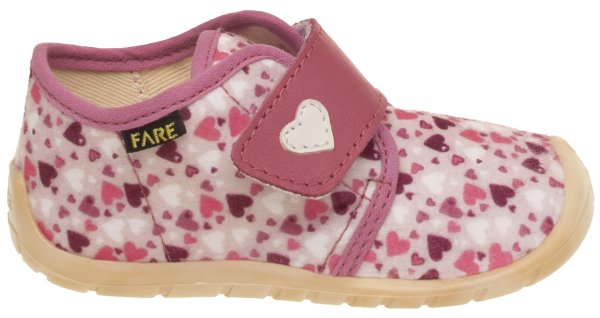
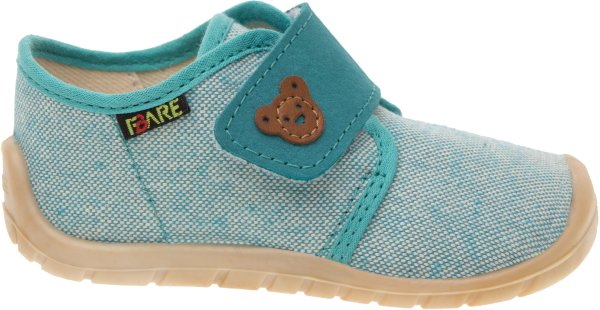
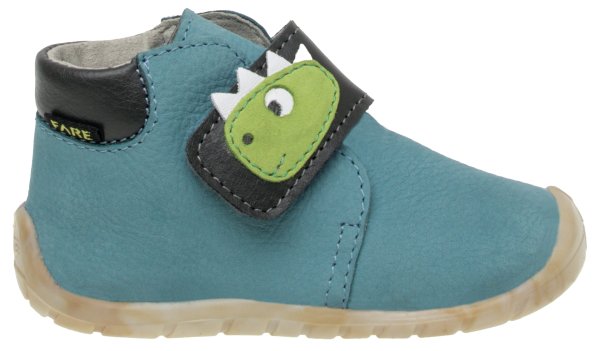
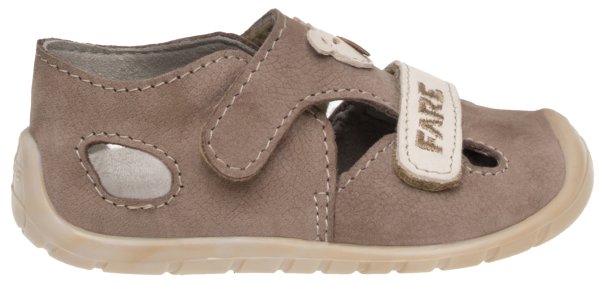
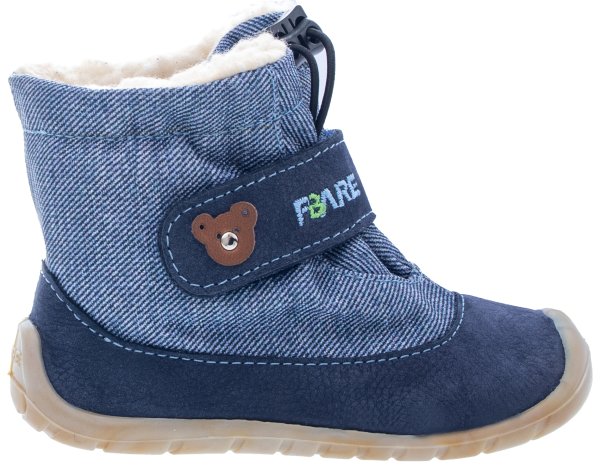
Here you will find first shoes for babies, toddlers and early walkers in EU sizes 19 to 23. The range includes indoor slippers, lightweight textile shoes, leather all-season models, sandals and winter shoes. Every model is designed from the outset for the needs of small, developing feet.
First walking shoes are not the same as soft baby booties. For a child who is not yet walking, booties mainly provide warmth. Baby booties for outdoors must suit the surface, and a very delicate sole may not be enough for wet ground, stones or regular walking. For a child who already walks independently, choose proper first outdoor shoes according to the terrain and weather.
FARE FIRST follows barefoot principles, with generous toe space, zero drop, low weight and high flexibility. On selected models, the fine thermorubber sole is joined to the upper by direct injection. This avoids an unnecessarily stiff glued joint and allows the shoe to flex more naturally with each step.
Barefoot is not a universal guarantee of correct fit. The shoe must match the foot’s length, width, toe shape and instep height. It should leave room at the front while staying secure at the heel and across the instep. If it is too long or slides on the foot, the child may trip or try to hold it on with curled toes.
| Type of footwear | When it makes sense | What to check |
|---|---|---|
| Baby booties and overshoes | For a baby who is not yet walking, in the pushchair or as soft protection from the cold. | They must not constrict the foot and are not a substitute for durable outdoor shoes. |
| First slippers | For cooler floors, playrooms, nursery or anywhere bare feet are not practical. | Low weight, breathability, a non-slip sole and a secure fit. |
| First outdoor shoes | For a child who already walks independently outdoors and needs protection from the ground and weather. | Correct size, toe-box shape, flexibility, weight and suitable material. |
Girls’ and boys’ categories make it easier to browse colours and designs. What matters much more is that the shoes match the shape and measurements of the foot. Measure both feet while the child is standing, check their width and instep height, and compare the results with the internal measurements of the specific model. Choose colour and appearance only from models that fit the child’s foot correctly.
The main category includes first shoes in EU sizes 19, 20, 21, 22 and 23. The same size number can have a different internal length and width in different models and brands.
Always use the measurements of the specific model in millimetres. For young children, do not choose the largest possible growing room simply to make the shoes last longer—shoes that are too large can reduce stability.
High-quality first shoes should protect children’s feet while leaving the space they need. When choosing, look beyond size to toe-box shape, width, materials, flexibility and overall construction.

SIZE
BRANDS
BASIC COLOURS
MAIN MATERIAL
TYPE OF CLOSING
ŘAZENÍ
Be the first to know.News, promotions and benefits exclusively for FARE FAMILY Club members.
© 2026 FARE, spol. s r. o.
Designed by 



 Find a store


